
The Soul of Wabi-Sabi: How to Choose Lighting That Celebrates Natural Imperfection
In the frantic pace of modern life, there is a profound longing for interiors that speak of stillness, authenticity, and the quiet passage of time. This collective desire has led to the global embrace of Wabi-Sabi—the ancient Japanese philosophy of finding beauty in imperfection, impermanence, and the unadorned simplicity of nature.
Wabi-Sabi is not just a design style; it is a mindset. It is the texture of a hand-sculpted pot, the grain of raw wood, and the way light softly grazes an uneven wall. In a Wabi-Sabi sanctuary, lighting is the most critical element—it is the force that transforms a physical space into a soulful atmosphere.
At Loonglight, our Wabi-sabi Series is curated to honor these principles. By utilizing materials like organic travertine, hand-sculpted ceramic, and textured plaster, we create fixtures that feel "grown" rather than manufactured. In this guide, we explore the rules for achieving the perfect Wabi-Sabi lighting scheme.
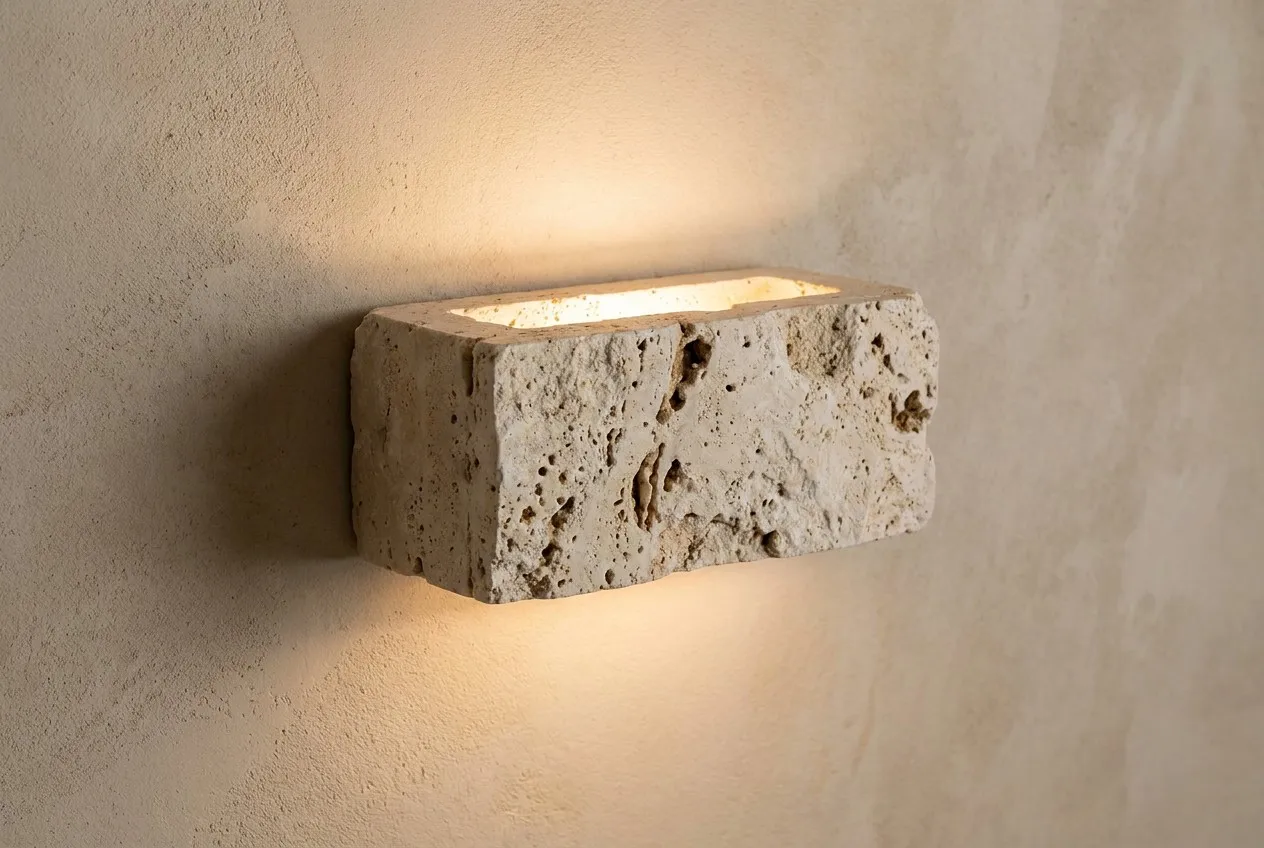
1. Embrace Material Honesty: The Earthly Palette
The first rule of Wabi-Sabi is that materials must be what they appear to be. True luxury in a Zen interior is found in the tactile quality of earth-born materials that possess a natural "patina."
Organic Travertine & Stone
Natural stone, with its small pits and irregular textures, is the cornerstone of Wabi-Sabi. Our Marlin Travertine Wall Lamp celebrates these geological "flaws." This material brings a sense of ancient permanence that grounds a modern minimalist room.

Hand-Formed Textures
Unlike mass-produced glass, materials like textured resin or matte plaster possess a human touch. Fixtures like the Wabi-sabi Khmara Pendant Light utilize organic shapes that mimic the weightless, imperfect form of clouds.

2. Asymmetric Balance & The Beauty of Hand-Formed Form
Wabi-Sabi rejects clinical perfection. Instead, it seeks an organic, living balance where the silhouette of the lamp feels like a piece of found art from the earth.
The Earthy Ripple: Wavy Pendant Light
One of our most distinctive pieces, the Wavy Pendant Light, perfectly embodies the spirit of Wabi. Crafted from a heavy, matte-textured material resembling hand-formed ceramic or distressed plaster, this pendant features organic, undulating edges. Its wide, uneven brim casts a beautiful downward light while showcasing a surface full of subtle pits and imperfections. It doesn't just illuminate; it grounds the room with sculptural elegance.

3. The Art of Shadow: Designing for "Komorebi"
In a Wabi-Sabi home, shadows are as important as the light itself. Aim for lighting that feels like "Komorebi"—the Japanese word for sunlight filtering through trees.
- Indirect Glow: Focus on fixtures that hide the direct light source. The Moon Crater Flush Mount utilizes its irregular surface to cast a rhythmic, uneven light that mimics the soft glow of the moon.
- Layered Intimacy: As detailed in our master bedroom lighting guide, a Wabi-Sabi space thrives on low-level ambient light to create a meditative environment.
Discover the Loonglight Wabi-Sabi Series
| Product Image | Product Name & Style |
|---|---|
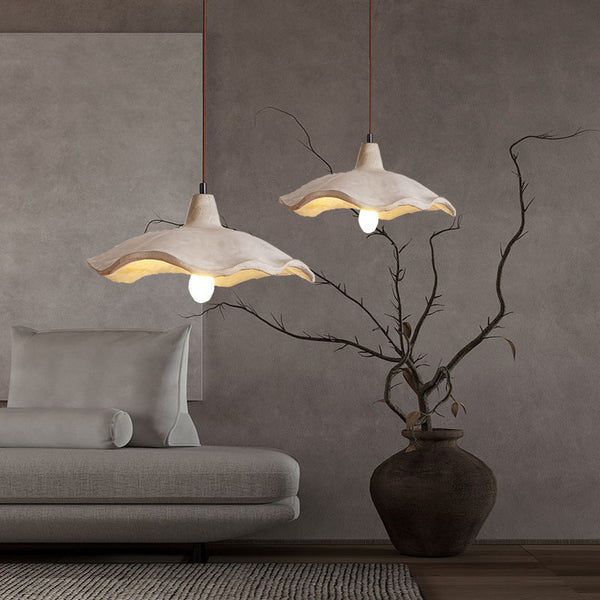 |
Wavy Pendant Light An organic, hand-formed fixture with a stony matte finish—perfect for dining spaces. |
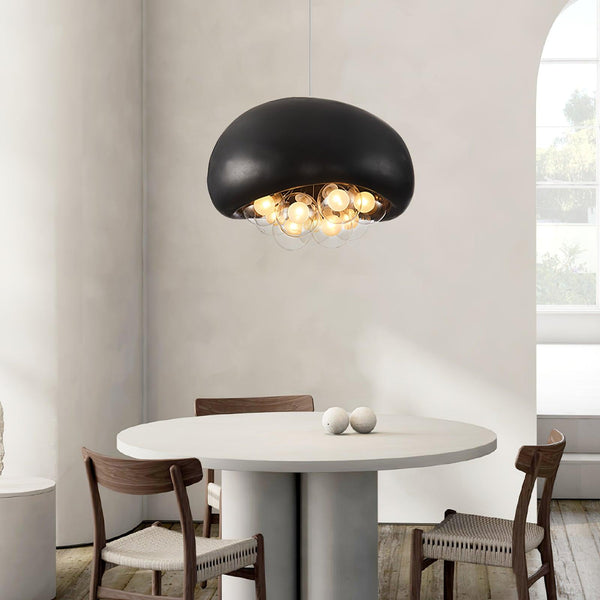 |
Wabi-sabi Khmara Pendant A hand-formed cloud-like fixture with a matte, chalky texture—the ultimate Zen statement. |
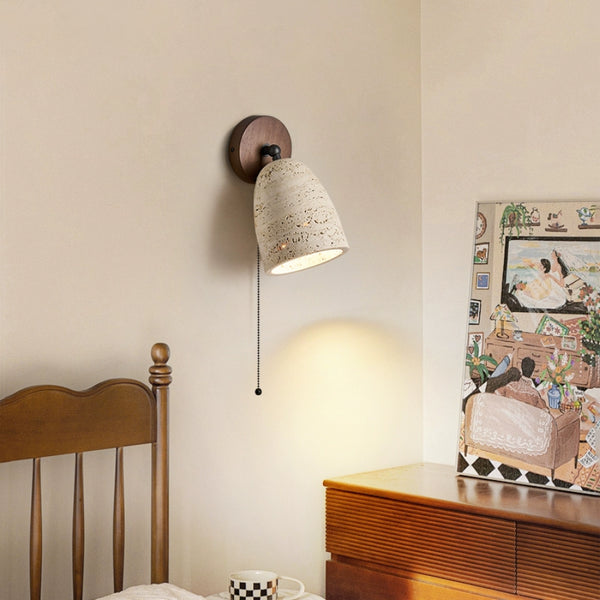 |
Marlin Travertine Sconce Crafted from authentic travertine stone, celebrating the raw beauty of natural mineral surfaces. |
Final Thoughts
A Wabi-Sabi home is a sanctuary that welcomes the true, unadorned self. By selecting lighting that celebrates material honesty, respects the depth of shadow, and embraces organic form, you create a space that does more than just shine—it breathes.
Find your stillness. Discover the Wabi-sabi Series at Loonglight today.